


The clang of weights falling to the ground, striking the floor, echoes through the fitness center. Music rings, sneakers squeak on the floor and lifters crowd around racks, benches and machines, waiting for their turn. Someone exhales sharply as they push up a heavy barbell; a new personal best. Another scrolls through their phone as they recover and prepare for their next set. To many students and teachers, the gym offers many things: yes, it offers a place to build muscle and get stronger, but oftentimes it offers more than that.
At school, the environment has the potential to feel stressful. Students frequently have exams and often find themselves competing for higher grades and more impressive resumes. The gym, however, offers something more simple: clear results. A few extra pounds lifted, a faster sprint or another set completed. While fitness is often framed around appearance or athletics, the reasons for working out have the potential to extend far beyond that.
Joseph Coriaci is a physical education teacher at Hinsdale Central and strongly believes in his goal to foster a good environment in his classes for his students to become inspired by. He holds this value highly due to what working out means to him.
“Going to the gym has always been an outlet for me to kind of deal with life struggles,” Coriaci said. “Obviously, physical health is great, and building a nice dream physique is another thing. But for me, it’s always been my way to deal with my own mental problems and keep my mental health in check. That’s kind of been my therapy throughout my life.”
For some students, what was once viewed as a challenge or chore has turned itself, over time, into a form of relaxation.
“It was physically difficult and dreadful,” said PJ Doppke, senior. “But it got to a point where it became how I relaxed after a long day. It’s strenuous, but it’s calming. It’s second nature almost.”
While some students, like Doppke, view the gym as a place of personal relief, Coriaci views it more as a place of growth and individual effort.
“Everybody wants to try their best, everybody wants to set new PRs, everybody wants to attain their goals,” Coriaci said. “But I also want to instill genuine inner confidence in students so that they can go out and do things after high school. Just something as small as setting goals in the gym can turn into confidence that’ll help them in a job interview or their future career.”
For many, the challenge of pushing oneself to further and further heights with their fitness goals is often a neverending challenge, a road with no end.
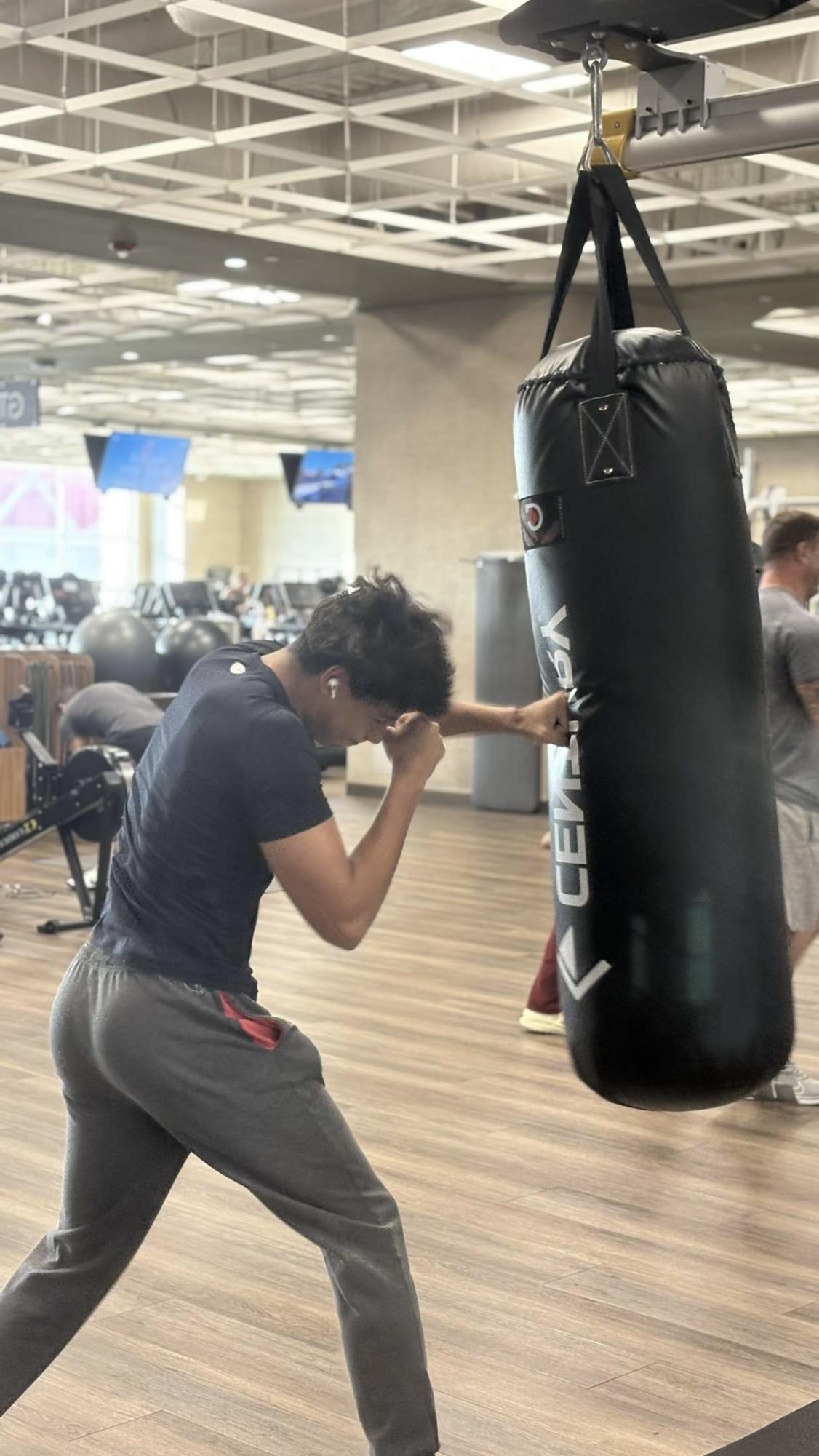
“There’s never really an end product,” said Nathan Wu, senior. “I do see progress, , but there’s no point where I realize, ‘I did it, I’m done.’ It’s a constant, continuous effort.”
The benefits of exercise stretch beyond strength or appearance. According to the Centers for Disease Control and Prevention, students who engage in regular physical activity demonstrate improved concentration, memory and classroom behavior.
“If you can get your blood pumping and your muscles working throughout the day, that’s going to carry over into your academic life,” Coriaci said. “Your brain is going to be more ready to read, to study and to learn new things. As a student, that’s probably the most important benefit.”
Not all aspects of gym culture are positive, however. Coriaci pointed to social media as one of the biggest challenges.
“One of the main challenges nowadays is when you open up social media and see this picture-perfect model or fitness influencer using lighting and Photoshop to create this perfect image,” Coriaci said. “Then you start comparing yourself to other people. The only person you should compare yourself to is who you were yesterday.”
Research in the Journal of Health Psychology supports this concern, showing that exposure to fitness influencers can increase body dissatisfaction among teenagers. By promoting unrealistic body ideals and perfect influencer life styles, negative self comparison is encouraged which makes it easier for teens to doubt their self worth.
Coriaci said he believes there are ways to overcome such challenges and eventually believe in the true benefits of working out. He encourages to limit social media use, engage in activities you truly enjoy, and understand that you are building yourself day by day, so It is normal to have ups and downs.
“When you start focusing on being a better you, your going to find true happiness that way,” Coriaci said. “It’ll never be by comparing yourself.”
Coriaci also said he believes that there is a strong correlation between exercising regularly and stronger academic performance, a trend he’s noticed firsthand.
“Students who go to the gym regularly or participate in sports are going to do better in school, in their academics, outside of school and in their careers,” Coriaci said. “There’s a huge carryover from going to the gym to your future endeavors.”
Working out can help students build self-esteem, resilience and social skills. Beyond academics, some students find it gives them a heightened sense of confidence and other mental benefits.
“Most of the goals I set, I achieved,” Doppke said. “It’s made me feel like I can keep pushing for more.”
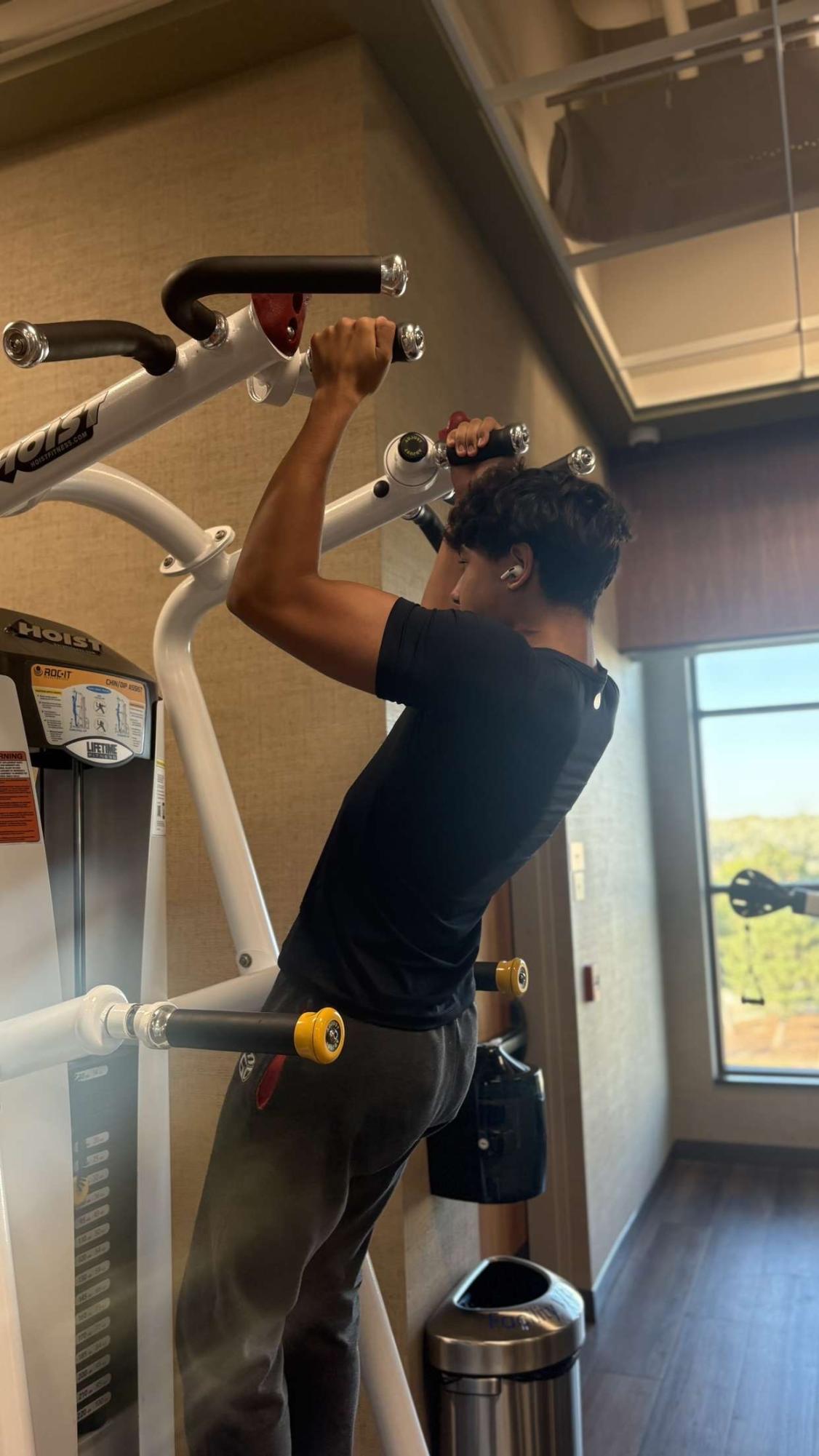
Students often have many different reasons for working out. However, a majority cite physical appearance as the biggest reason. According to a survey of 36 students at school, 42% say that physical appearance and the associated confidence are a major reason why they work out. However, some students, including 27% of survey respondents, work more for results, whether that’s for personal reasons or for sports. These different motivations often shape the routines students build inside and outside the gym.
Beyond the hours spent lifting or running, diet plays a major role in students fitness routines. By paying attention to what they eat before and after workouts, this promotes balanced nutrition which in return supports physical performance in the gym. For many, those small choices such as grabbing a protein shake, staying hydrated or starting meal planning become part of a healthy lifestyle commitment.
For athletes especially, nutrition and consistent training are key. Senna Ahdab, sophomore, has been dedicated to the girls Basketball team since her freshman year and plans on continuing her athletic journey. She dedicates 2-3 days a week after school to work out at her local gym in order to keep up her athletic grind and prepare for her upcoming season.
“I work out for basketball,” said Senna Ahdab, sophomore. “Some people probably go because they want to change their lifestyle, some might go just because it helps them stay productive.”
Students are able to find enough motivation to show up day after day from all sorts of places. Whether it’s to look better, build confidence, be stronger or play a sport better, students who participate in gym culture reap benefits in all areas of their life beyond physical fitness.