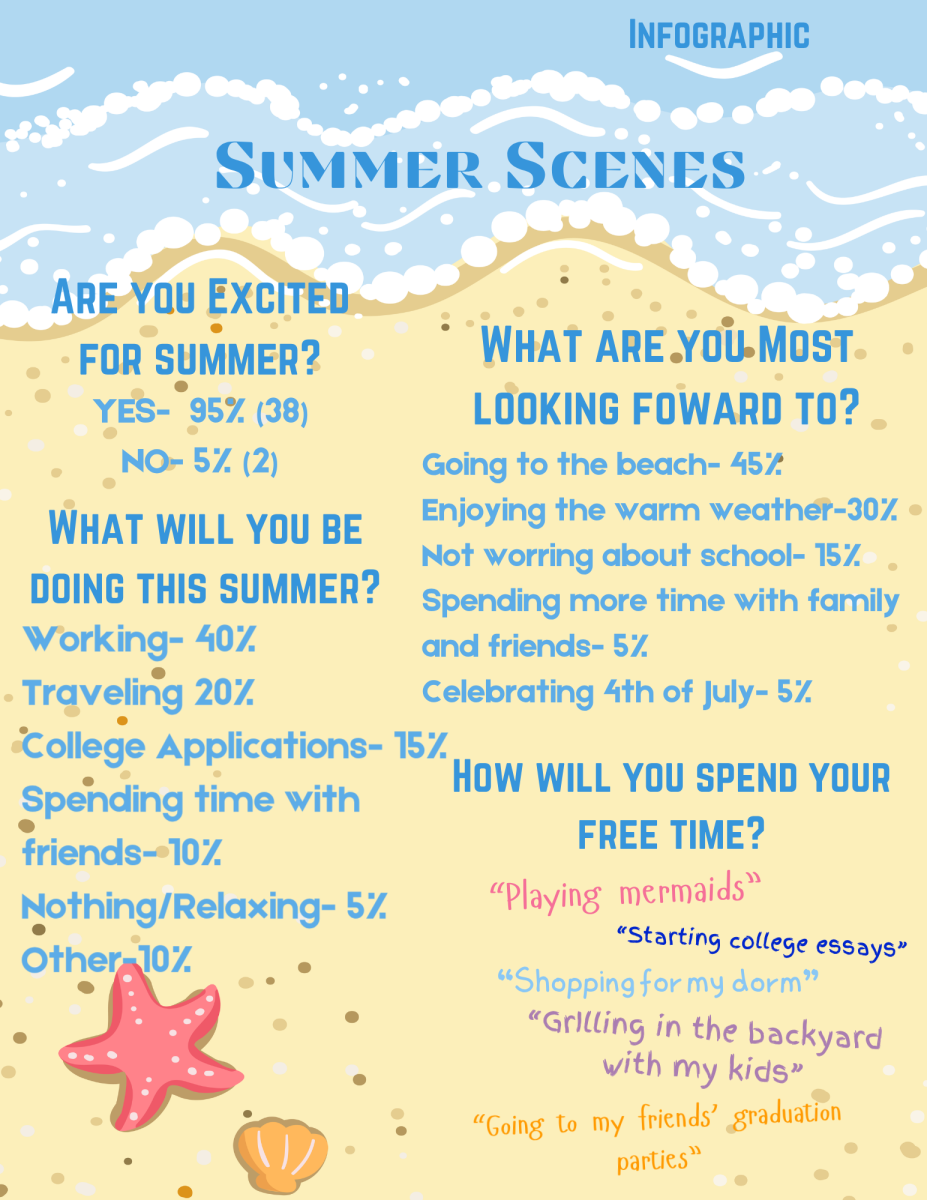



Between brand deals and bell schedules, Hinsdale Central students are navigating the frontier of social media fame.
The fifth bell rings, the halls filling up with likes, shares and follows once the phones turn on. As students flood the hall, the air fills with an invisible wave that defines a digital double life. While the world moves toward the next period, a different kind of work is being done in the palm of a hand. One tap, one upload and the boundary between a high school student and a global brand vanishes.
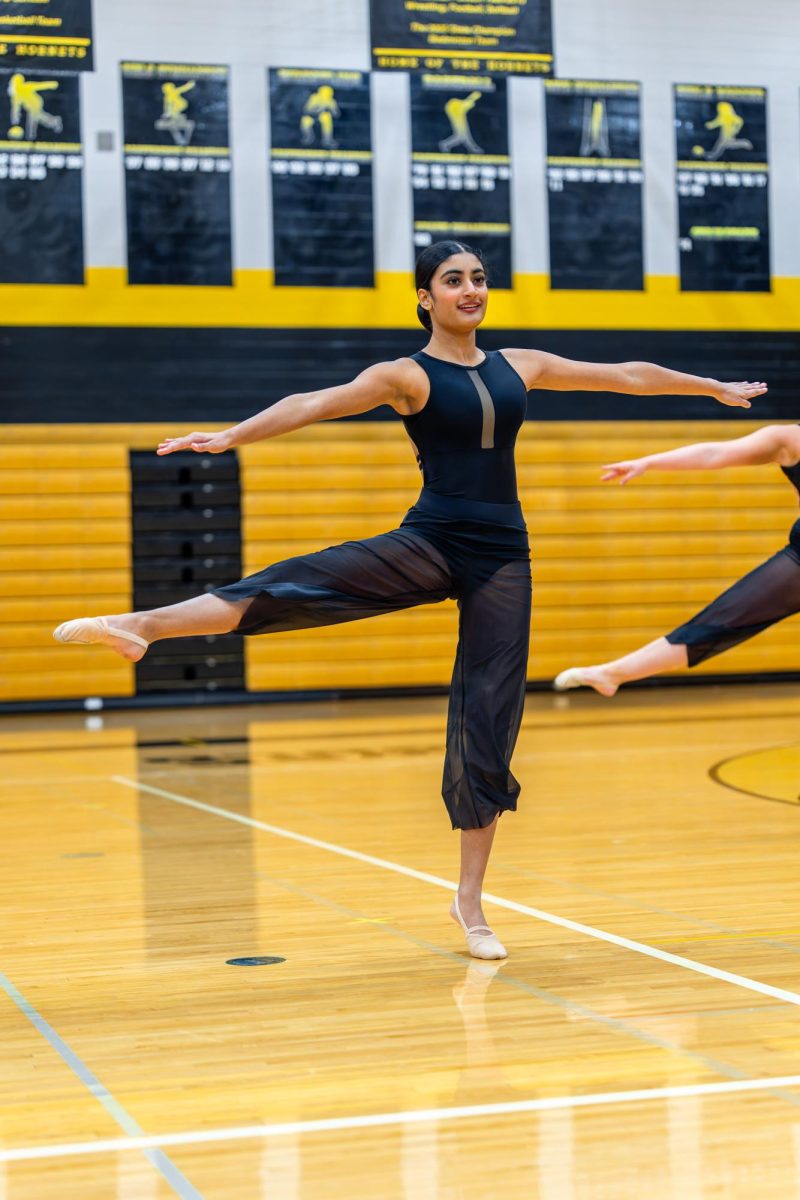
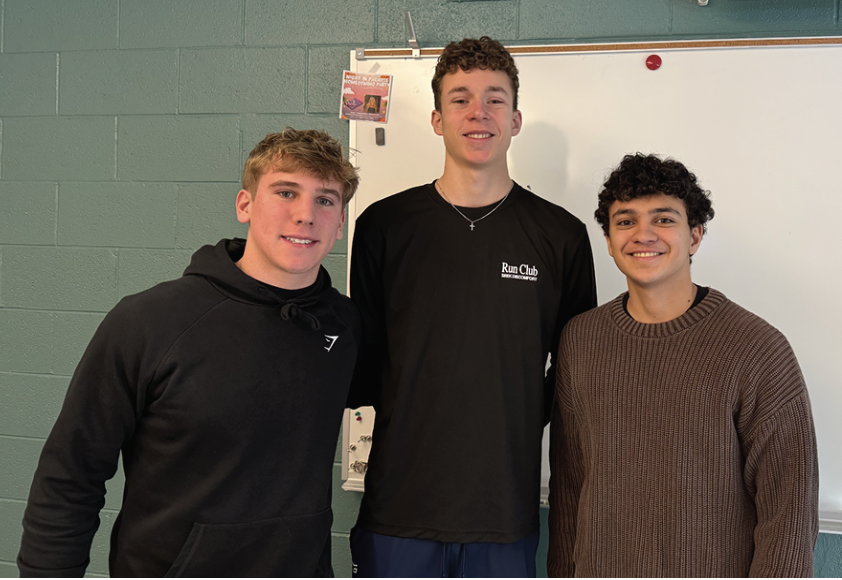
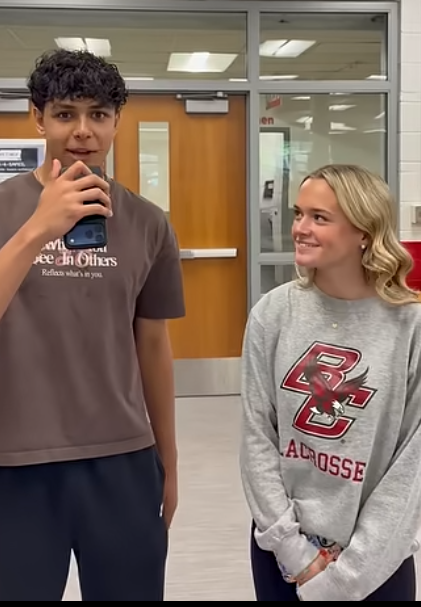
This is the reality at the school; while most teenagers are concerned with the standard hurdles of a GPA, a growing group of seniors, like seniors Stella McCarroll and Mazen Bands, balance their double life
Teens now are navigating more through media than the halls. According to Avci, Baams, and Kretschmer in “A Systematic Review of Social Media Use and Adolescent Identity Development,” Adolescent Research Review, Nov. 21, 2024, adolescents are actively posting, commenting, and engaging online are not only passing time, they are experimenting with who they are, testing different sides of themselves, refining who they are.
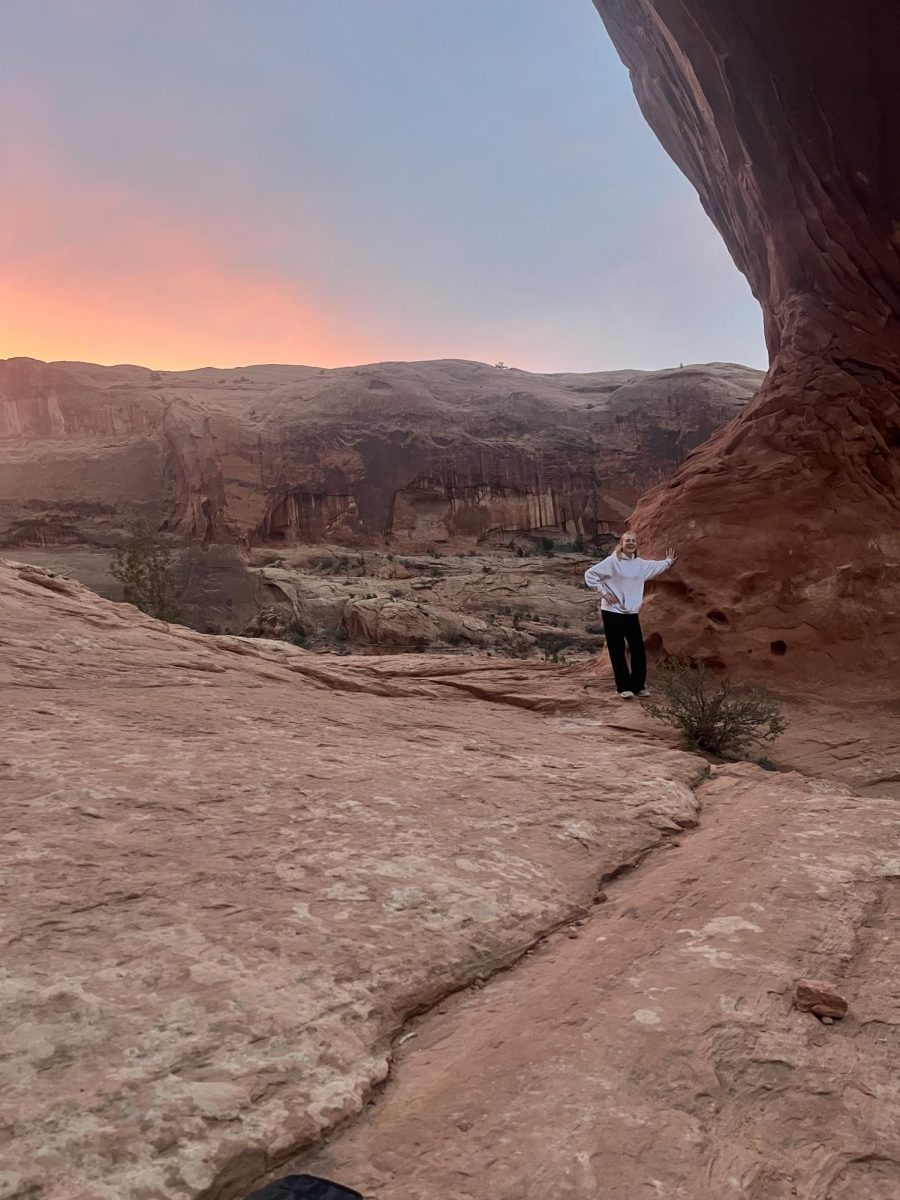
McCarroll describes her transition from a typical freshman to a content creator.
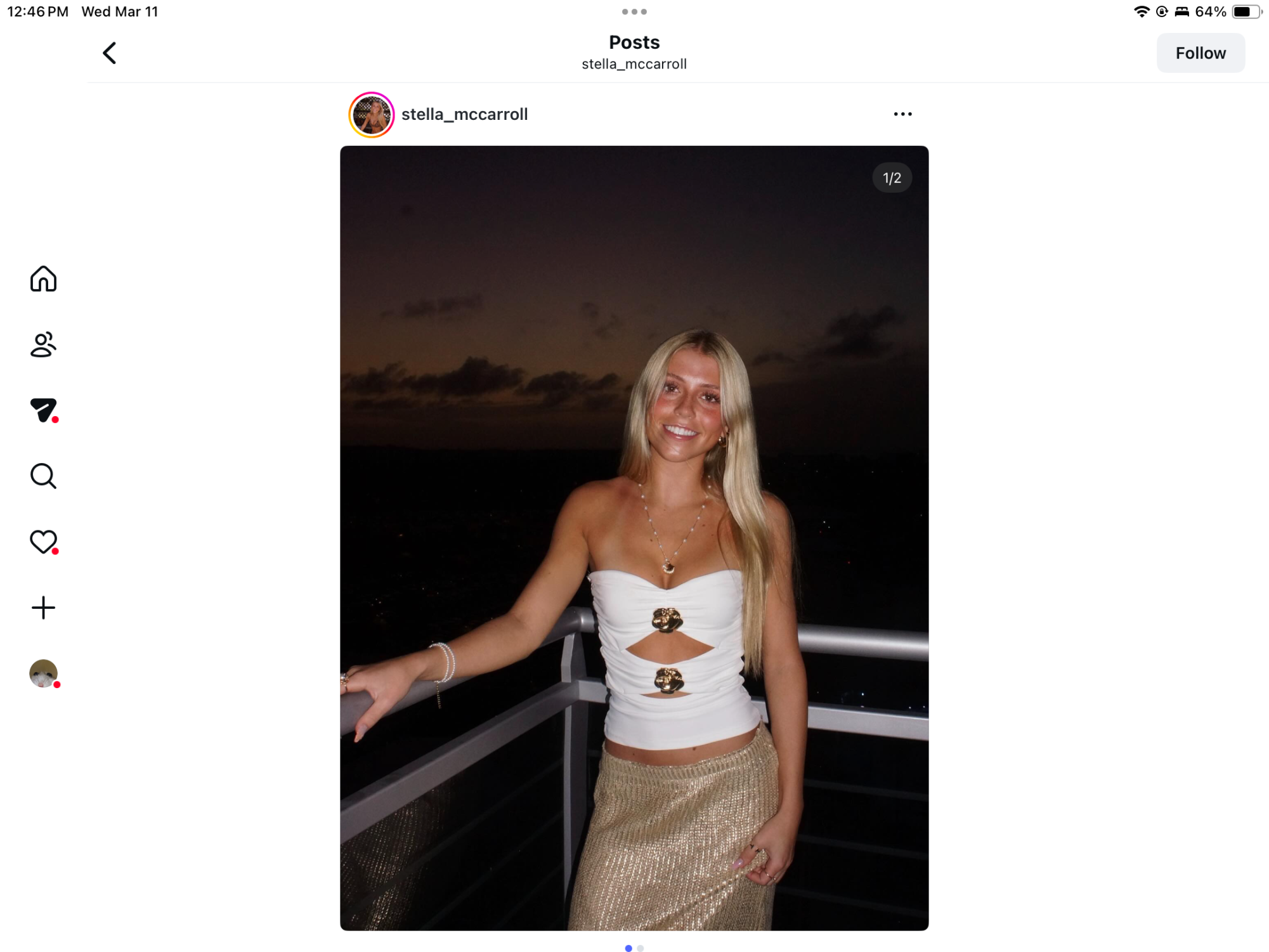
“It was more of an accident how that happened. I think I posted a trending video for the first time, and then it hit the right audience,” McCarroll said.
She typically posts trending sounds, and content for brands.
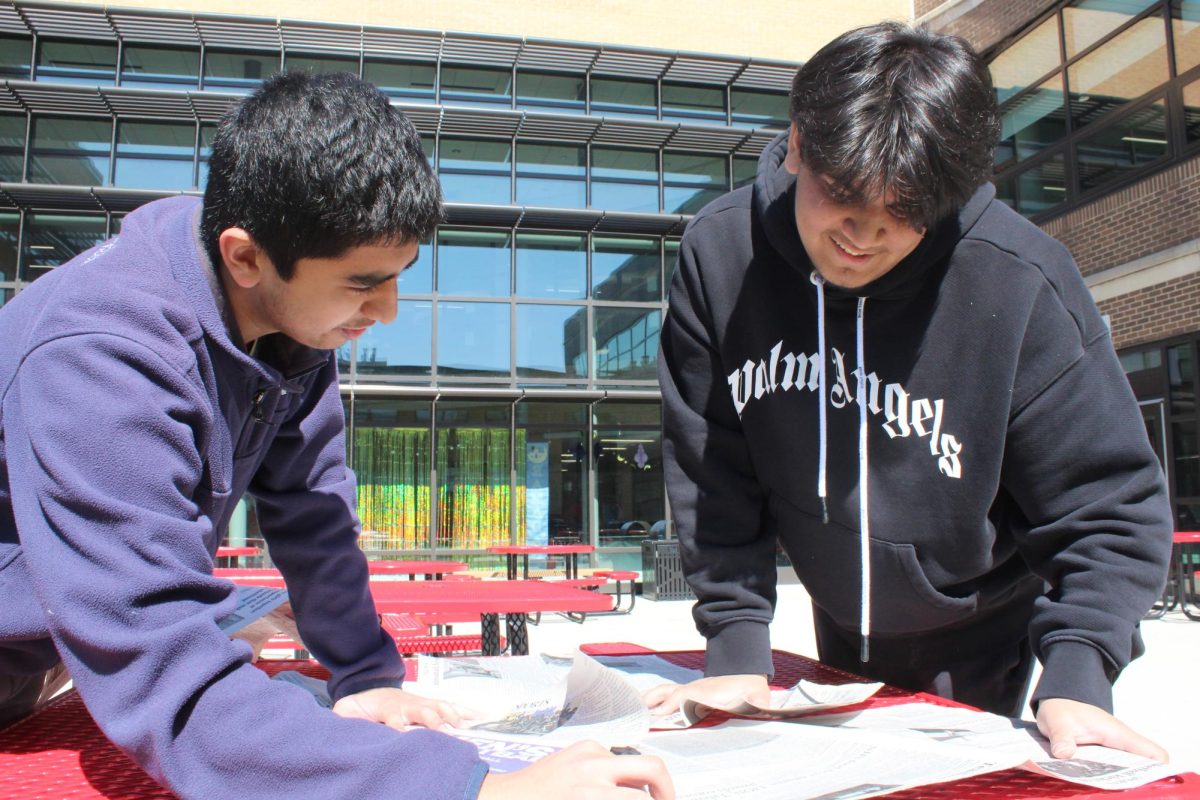
On the contrary, others’ growth is built on a specific foundation. Bands is a content creator, focusing on becoming famous.
“I naturally am a very good speaker and a very good actor,” Bands said. “I thought, why not take these skills and use them for something useful other than sales? You have to speak on social media and you have to act in a certain way—cater to your audience.”
As the followers grew, the hobby shifted into a business involving high profile partnerships and logistical management for some.
“Right now, I’m partnered with Prime Energy, Addicted, Scuffers…there’s a couple of smaller brands too,” McCarroll said. “The bigger brands… they either send me things every couple months, or Prime is once a month.”
It’s no surprise that brands are taking notice. A report from RetailWire, “Brands Engage a Third of US Teens for Social Advertising,” Sep 20, 2024, shows that one in three teens under 18 have been approached by companies to create content and promote products.
However, the visibility of being an influence brings concern regarding long-term reputation.
“I’ve stopped caring as much about what people think, but going into college, I definitely do care more about my reputation online… sororities and anyone seeing my stuff,” McCarroll said.
According to “Social Media Cons, and Pros,” Britannica, Feb 10, 2026, critics argue that social platforms can spur digital addiction, cyberbullying and mental health issues, Harvard research links these pressures to anxiety, depression, and its consequences.
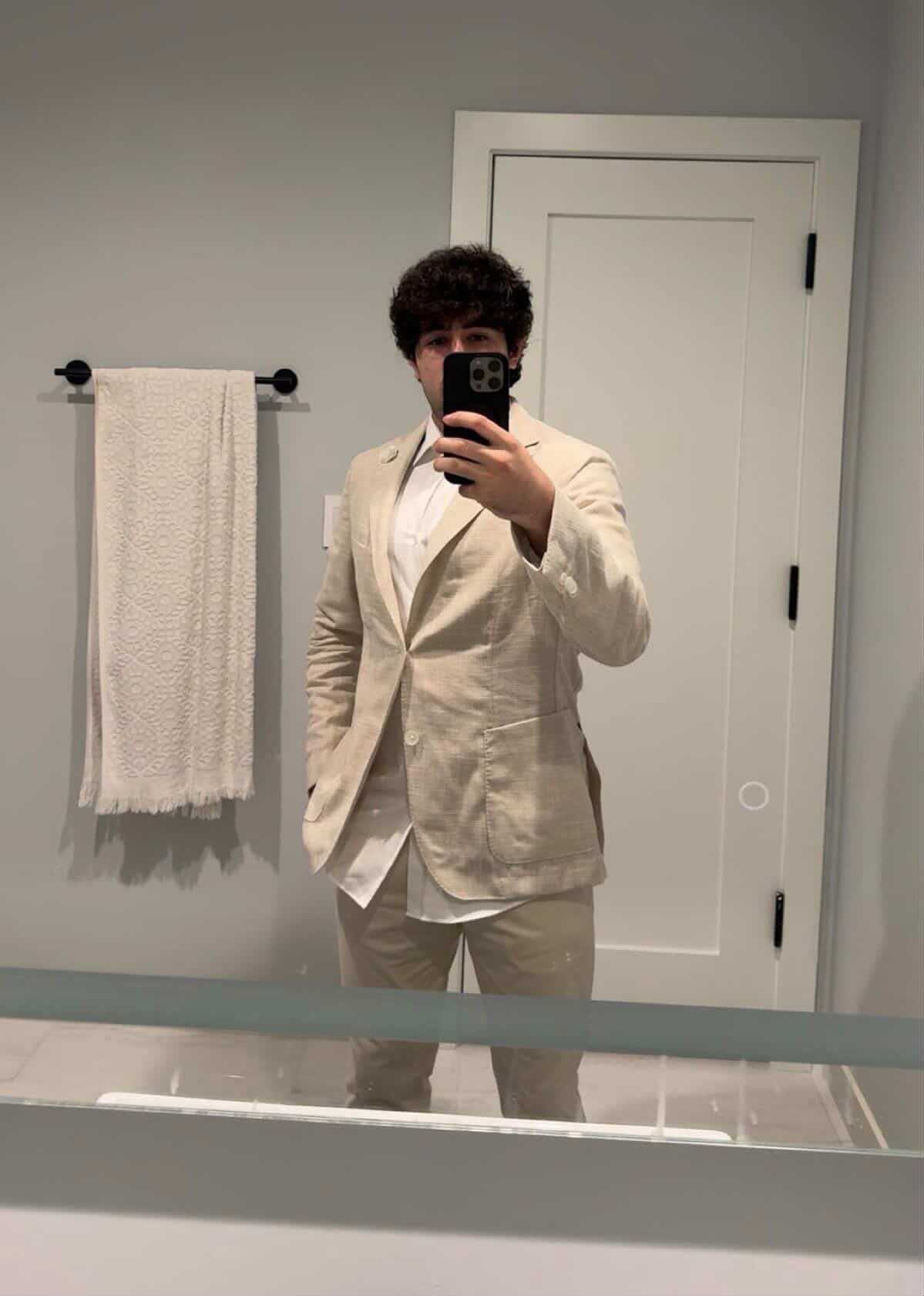
Bands said that a creator must develop a psychological “think skin” against the judgment of peers.
“Stop talking,” Bands said. “Stop planning. Just start posting now. Only you are stopping yourself. People will never please you, ever. You can only, only please yourself.”
To truly influence requires a creator to prioritize their own vision over the crowd’s approval, according to students who post online in such a public forum.
“I think everyone has their own different style, and everyone should keep it that way. You should stop caring what people think,” Bands said.
The Pew Research Center on “Teens, Social Media and Mental Health,” April 22, 2025, reports that half of teens feel social media has mostly negative effects, including stress and pressure to post popular content, its influence on self esteem and mental health.”
“If someone was saying that, ‘I have one million friends, and they’re all my followers,“I’d say… you might have zero of those people as your actual friends,” said Peter Hutcheon, school social worker. “I think that an inability to have real face-to-face in-person relationships is negatively affected by over-reliance on social media.”
As students prepare to leave the halls of central, the lessons learned behind the screen will follow them into their career and adult lives.
With all of this in mind, many of the teens who see themselves as influencers see the experience as something that can aid them in their future plans.
“I’m majoring in marketing,” said McCarroll, already possessing more real-world experience than many college graduates.
For creators like Mazen, the goal is a 15-to-20-year plan for sustained influence.
“I want to be known,” Bands said. “I want to be famous.”