
Every October, plastic skeletons and pumpkins adorn porches and lawns across the United States in preparation for Oct. 31 – the day of Halloween.
Halloween is widely celebrated. A survey by Statista found that over 70% of Americans participate in Halloween celebrations in some capacity, and 97% plan to buy something in preparation for the holiday, whether that’s candy, decorations or costumes.
While Halloween is widely known and celebrated, many other cultures also celebrate holidays around this time that can be overshadowed by Halloween. One such holiday is Diwali.
Originating from India, Diwali is known as the “festival of lights.” In Indian tradition, there is a series of five holidays celebrated consecutively. Among these are events such as the New Year celebration and Diwali.
According to National Geographic Kids, the celebration is celebrated mostly in India but also in other countries such as Sri Lanka. Common traditions include making colorful designs, exchanging gifts, and lighting candles, each done with its own significance and reason.
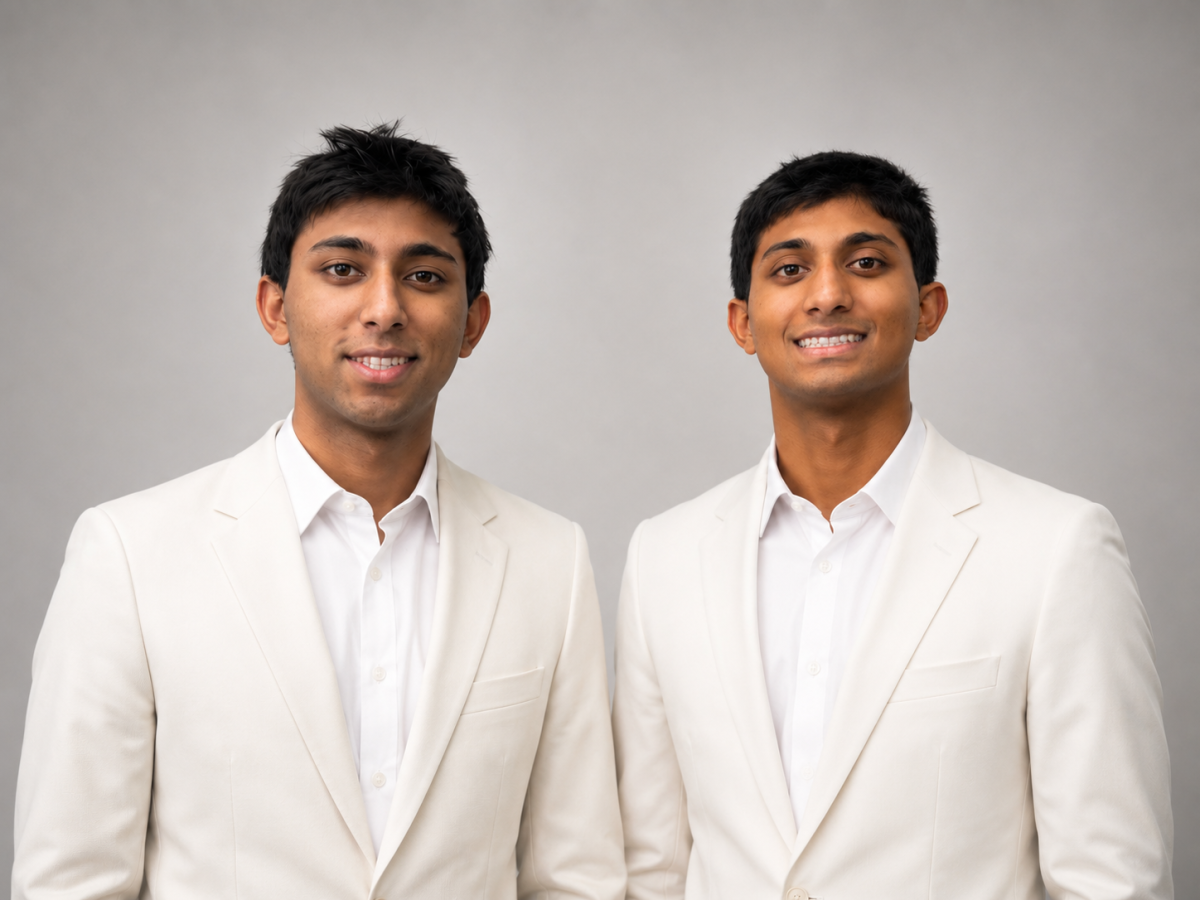
“One of the days is a day for brothers and sisters to celebrate together,” said Sanskruti Patel, social studies teacher and South Asian Students Union (SASU) sponsor. “One of the other days is a day that you do a ceremony where you are acknowledging the wealth, whether it be actual material wealth or your personal relationships.”
She said that while Diwali has religious roots, it’s grown into a broader cultural celebration.
“It is all in general considered a festival of light because it’s about celebrating the triumph of good versus evil and marking the beginning of a new year,” Patel said. “There’s obviously a religious element to it, like religious mythology and stories, but it’s just become a broader cultural thing, too.”
In India, the celebrations mirror many widespread American celebrations such as Christmas.
“In India, basically all of society shuts down,” Patel said. “You know how here, on Christmas, everything’s closed? There, during the week of Diwali, everything is closed because everybody is celebrating with family and friends from different places.”
In the United States, she said, the holiday can often look a little different.
“One of the adaptations is that people have to celebrate it on the weekends mostly,” Patel said. “My friends and I are having a Diwali party, but Diwali itself falls on a Monday this year, and we can’t have a party on Monday, so we’re doing it the Saturday before. My mom’s family is getting together two weeks later because people are traveling in and out of town.”
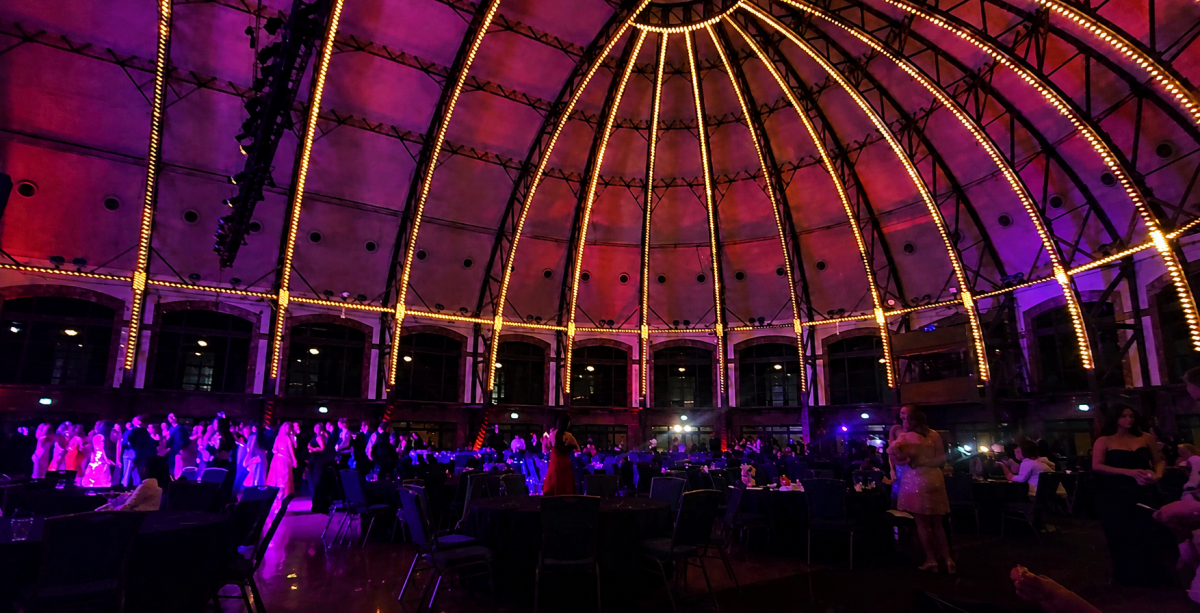
At school, SASU plans to bring Diwali to the community through a series of events and festivities for students.
“On Oct. 20, we are going to do a celebration during the lunch periods where people can come,” Patel said. “They can decorate little clay pots, get henna, and there will be music and decorations. Then we are actually going to do a dance festival on Nov. 7.”
Patel said she’s seen growing interest from students outside of SASU and hopes that continues.
“It’s kind of cool,” Patel said. “People will bring their friends. Every year that we do this, there’s been more and more non–South Asian kids participating, and we hope that continues.”
She added that this kind of engagement is important for everyone.
“I think kids nowadays have more exposure to other cultures already because of social media,” Patel said. “But to experience it in person is huge. It’s also great for kids of South Asian immigrant families to connect with their family’s heritage.”
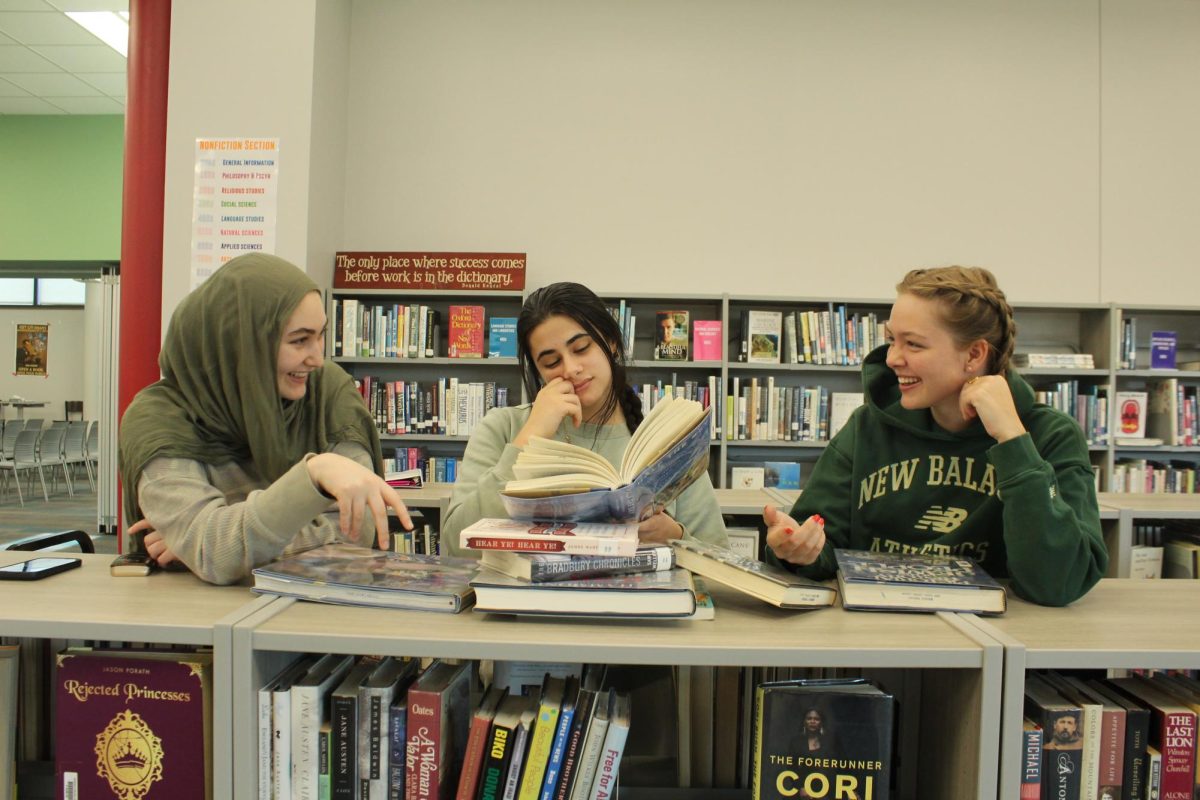
Just as SASU celebrates Diwali, the Hispanic Student Association (HSA) is preparing for Día de los Muertos, or Day of the Dead.
“Día de los Muertos is celebrated for All Souls Day and All Saints Day,” said Bianca Holland, Spanish teacher and Hispanic Student Association (HSA) sponsor. “It’s celebrated on Nov. 1 through Nov. 2, so right after Halloween.”
The celebration begins with families building ofrendas, or altars, to honor loved ones who have passed.
“In Mexico, they start celebrating with the building of the ofrenda on Nov. 1, and it goes through Nov. 2 in the morning,” Holland said. “It’s all day and all night through Nov. 2.”
Holland said the holiday has become increasingly familiar to students in the U.S.
“I think that most students have some background knowledge about Día de los Muertos just because it has become such a popular holiday in the United States,” Holland said. “I think that’s a little more recent, probably within the past five to 10 years.”
She said pop culture has played a large role in raising awareness for non-Mexican and non-Hispanic students.
“The Disney movie Coco has given students a foundation or background knowledge on the holiday,” Holland said. “So, I think it’s not necessarily that it’s important that students see it; it’s just fun that when they do see it, they understand what it is.”
At school, HSA celebrates the holiday by creating an ofrenda in the student commons.
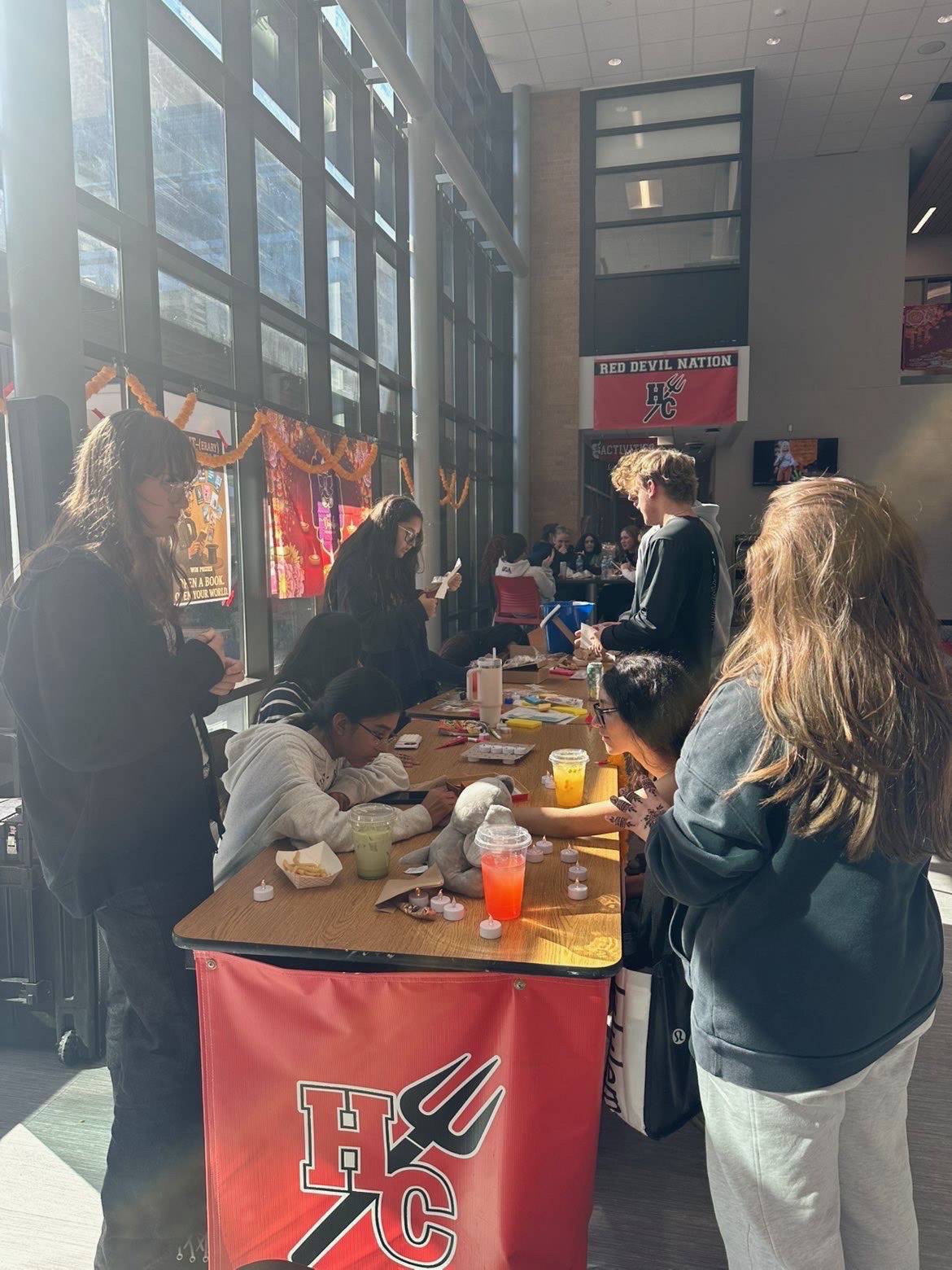
“The main thing is putting up the ofrenda,” Holland said. “We’ll also do smaller things like decorating calaveras, but typically, the main thing is the ofrenda.”
This year, the display will go up toward the end of October, after SASU’s Diwali celebration.
“For sure it will be up before Nov. 1,” Holland said. “We just don’t want to infringe on Diwali since that’s happening right before.”
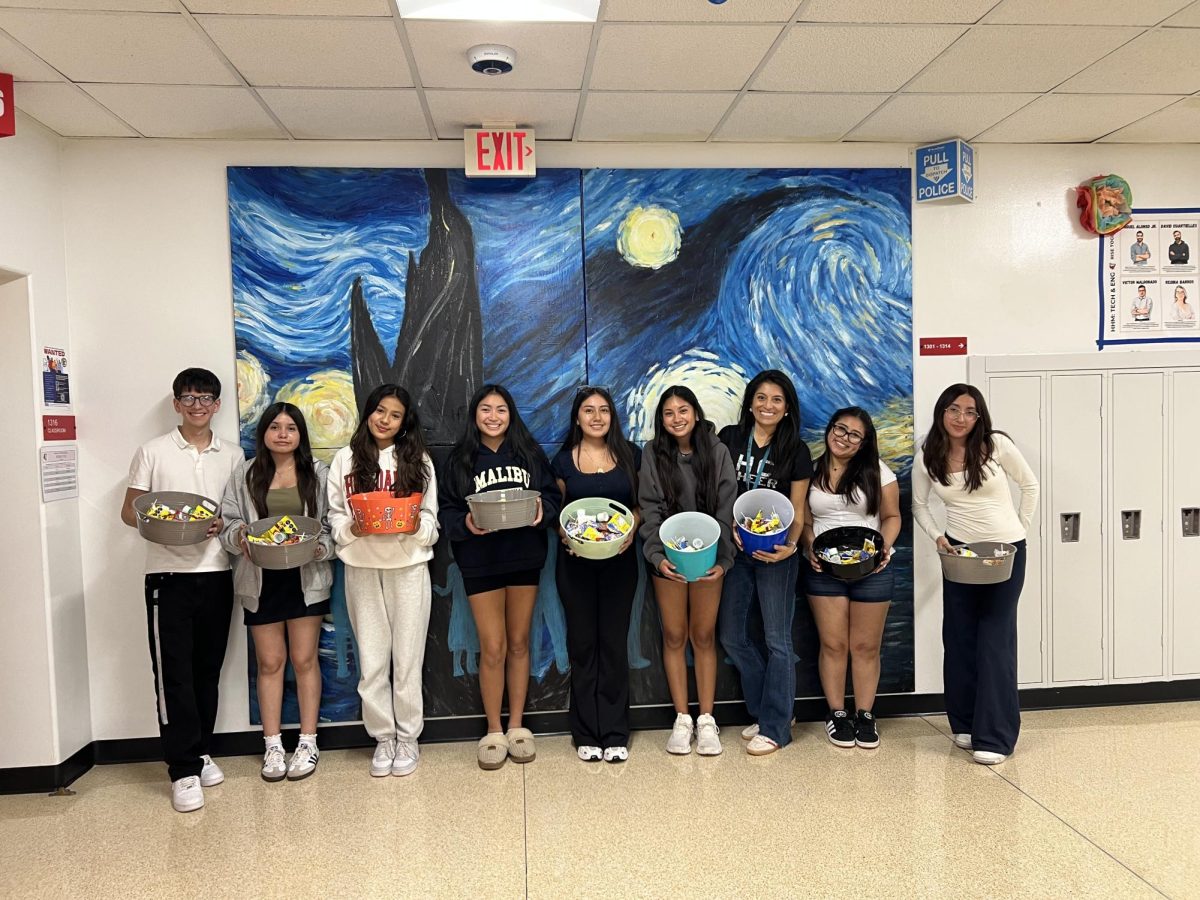
The club also wrapped up its Hispanic Heritage Month celebrations, which included papel flowers, a taco truck, and passing out Mexican candy to students.
“That was another thing that was really great,” Holland said. “It was awesome to see the HSA students sharing their culture and seeing it embraced by non-Hispanic students so positively.”
HSA’s board members share similar sentiments, though some celebrate differently.
“I think I celebrate differently than most people,” said Angel Perez, senior. “Most people do the ofrenda and decorate their whole living room, but for my family, we just put up a picture of someone who recently passed away and we pray for them.”
He added that sharing traditions like these helps everyone learn something new, even if they may already have some familiarity.
“It’s good to be exposed to new cultures, new ideas and different things,” Perez said.
As Patel put it, celebrations like these extend far beyond decoration or food and really help to showcase other cultures.
“The fact that we’ve gotten the ball rolling to do these big events is huge,” Patel said. “For kids to experience other cultures in person is huge.”