



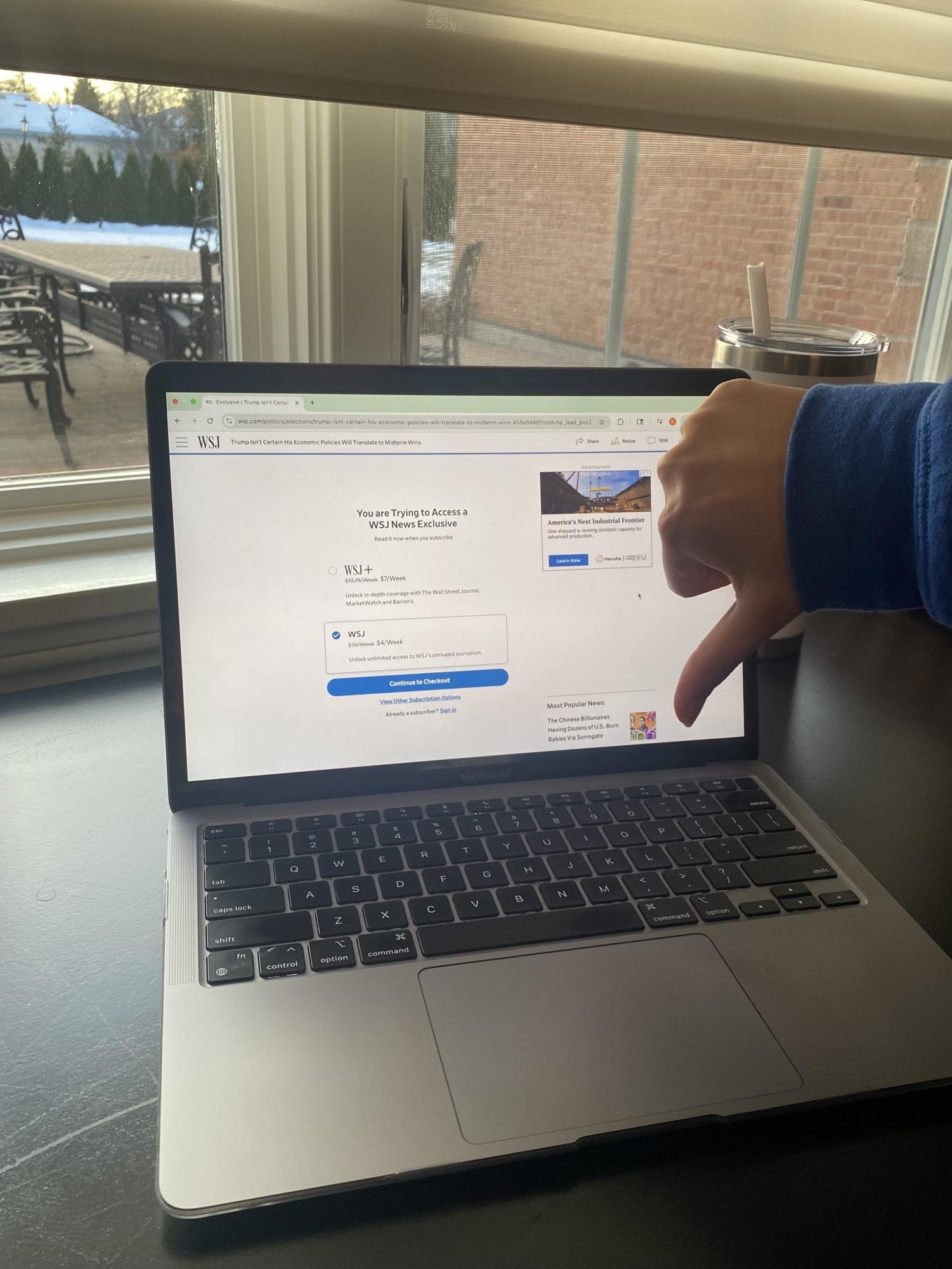
Access to news has become less defined by its existence and more defined by its exclusivity. In a world where attention-grabbing headlines rapidly circulate around social media, the deeper kind of reporting that thoroughly explains events and holds entities accountable is, more often than not, locked behind a paywall. As news organizations find themselves torn between journalistic standards and business practices, readers can often find themselves without easy access to news.
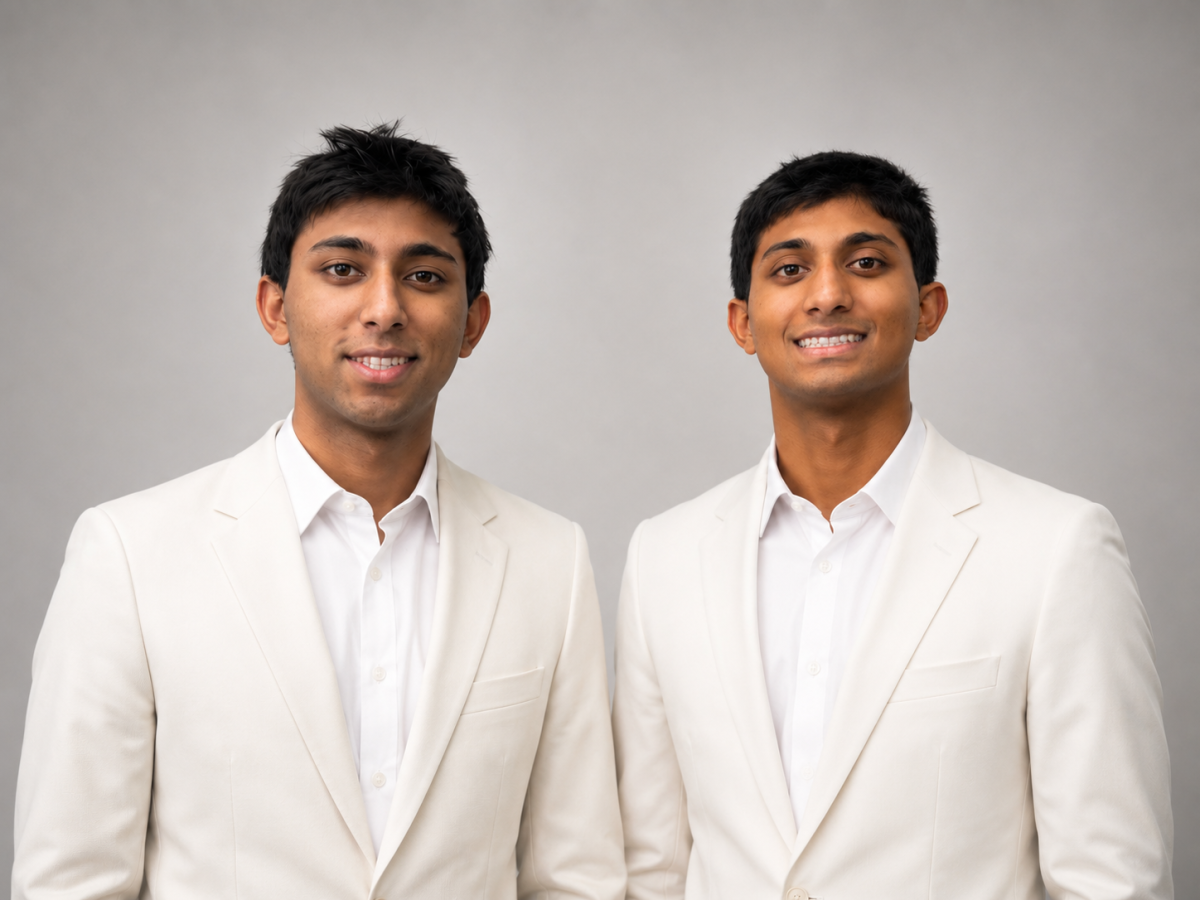
“It creates a less engaged, informed society,” said Atif Rafiq, who follows news regularly and subscribes to the Financial Times. “People are less engaged, less informed, and it’s harder for them to hold institutions in check.”
Rafiq has been reading the news consistently for more than a decade, beginning regularly in 2013.
“I started just to get information that’s beyond headlines,” Rafiq said. “I wanted more analysis and insight into business.”
Today, he subscribes to the Financial Times.
“The Financial Times provides a global perspective,” Rafiq said. “It covers more than business and finance. It covers politics, society, history and culture, and I think it has good writing.”
That access, however, was not always financially possible.
“Absolutely not,” he said when asked whether he could always afford a major newspaper. “Mainly, I would skim the headlines on Yahoo News,” Rafiq said. “If I was doing research, I would look for free websites that don’t charge to see the content.”
Rafiq’s experience mirrors national trends. According to the Pew Research Center, about 83% of Americans did not pay for news in the past year, and roughly three-quarters report encountering paywalls when attempting to access online articles. Pew also found that younger audiences are more likely than older readers to abandon articles once payment is required.
For students, that barrier can be especially frustrating.
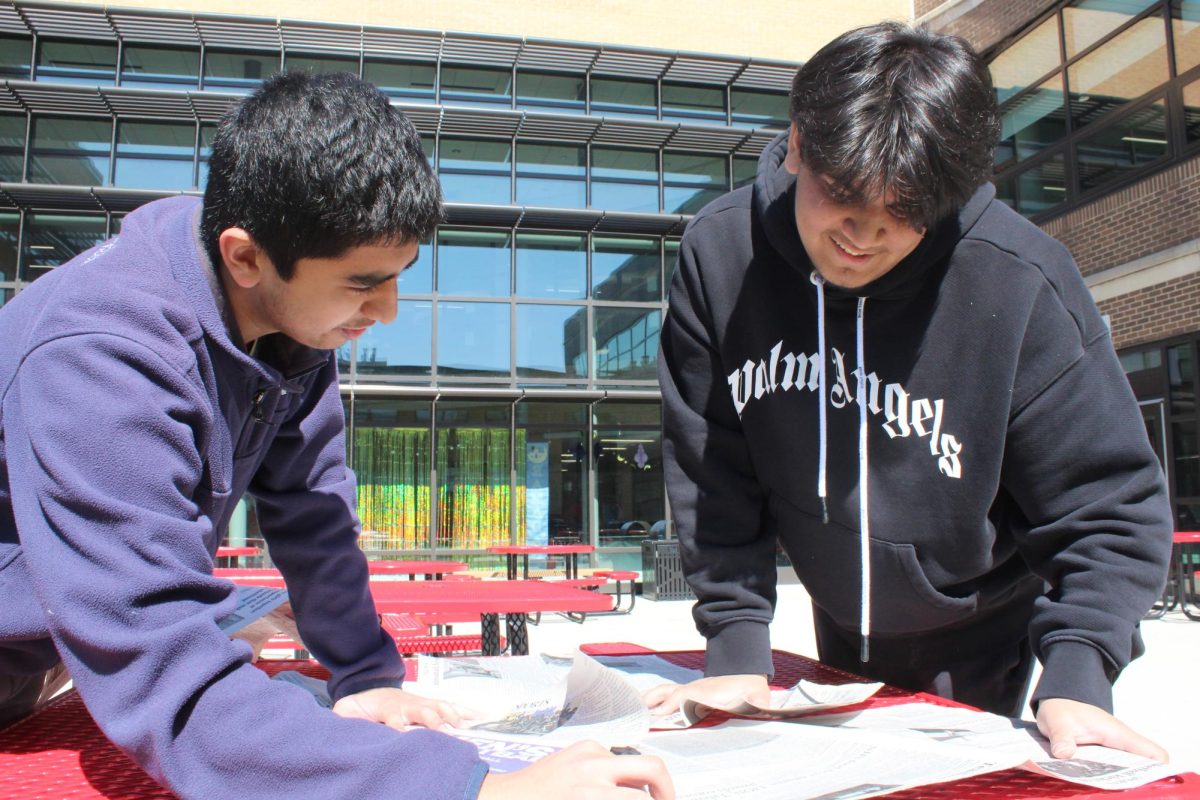
“Yes, many times,” said Adam Izhar, senior, when asked whether he has been blocked by paywalls. “The New York Times does that a lot.”
He said paywalls can even interfere with schoolwork.
“A lot of times there’s an article that I would really like to read, or I need for a school assignment, and it’s just blocked,” Izhar said. “I can’t get access to that information.”
While paywalls can feel exclusionary to readers, journalists argue they are often a matter of survival rather than profit.
“High quality journalism costs money and there isn’t a great business model for it,” Rafiq said.
That reality is especially visible in local journalism.
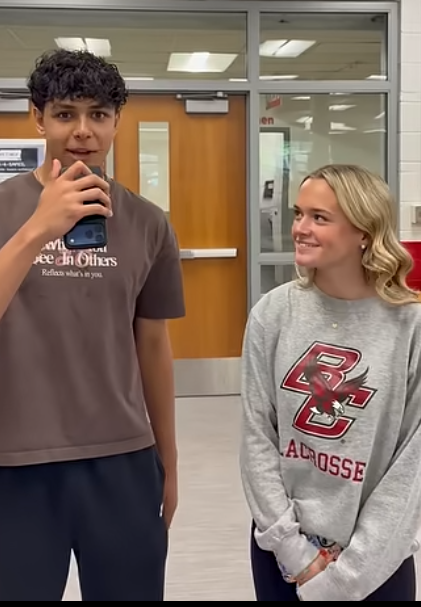
Pam Lennon, the editor and founder of The Hinsdalean, said her paper made the decision to
remain free for all residents.
“There were really two primary reasons,” Lennon said. “Having a circulation department, having to hire somebody to manage that department, having to buy software, all of that is a pretty significant expense. We thought it would be a market advantage for us to be in every home in town when we want to talk to advertisers.”
She said many people overestimate how much money newspapers make from subscriptions.
“Circulation is not as big of a revenue component for publications as I think sometimes people
think,” Lennon said.
Even so, maintaining a free product presents challenges.

“Continuing to find secure advertising is always a challenge,” Lennon said.
Despite those difficulties, Lennon said access to news is essential for democracy.
“Without an informed citizenry, it becomes very difficult to have the form of government that we have in this country,” Lennon said.
At the same time, she said accessibility does not necessarily mean free access.
“If you are going to have trained professionals providing that content, you have to pay them to do it,” Lennon said.
When access to credible journalism is limited, misinformation becomes harder to counter, highlighting the importance of it.
“Misinformation would certainly be one,” Lennon said. “Whenever there is not a credible news source to measure what you’re reading online against, it becomes hard to know what’s true.”
Research supports that concern. The Reuters Institute’s 2025 Digital News Report found that trust in news remains relatively low globally, while concern about misinformation continues to rise, especially as audiences turn to alternative or partisan sources when mainstream journalism feels inaccessible.
Rafiq said the challenge is not just cost, but volume.
“There’s a lot of sources and options,” Rafiq said. “Not all of them are great quality or firsthand reporting.”
He also pointed to broader cultural trends.
“There’s a general trend towards discrediting media,” Rafiq said, adding that it makes people more
open to alternative sources depending on political beliefs.
One often overlooked access point, Lennon said, is the public library.
“If you have a [Hinsdale Public Library] card, you could look on their website, they have access to the New York Times and a ton of publications,” Lennon said.
Across the country, libraries provide free digital access to major newspapers through partnerships and databases. The American Library Association reports that millions of readers use library systems each year to access paywalled journalism.
However, access is not always evenly distributed. A 2024 report from Northwestern University’s
Medill School of Journalism found that more than 130 local newspapers closed in the last year, leaving almost 1 in 4 Americans with limited or no access to local news.
“When there isn’t access to news, then there isn’t access to information,” Lennon said. “People are at risk of being exploited by the very people they’ve elected to represent them.”
For younger audiences, access to news shapes how they engage with the world.
“I would say that it’s important because it allows everyone from every corner of the world to stay
up to date on the important issues of our world today,” Izhar said. “It helps people make informed decisions.”
He said access matters especially as young people grow into civic roles.
“It’s important for young people as future voters and future adults,” Izhar said.
When asked whether news organizations should prioritize survival or equitable access, he rejected the idea of choosing one.
“I think it is crucial for them to strike a balance,” Izhar said. “They would need to leverage their ability to gain profit while also making their news outlets available to people as much as possible.”
Rafiq said access is also connected to how information is consumed.
“Reading is a medium that is suffering,” Rafiq said. “Comprehension is really key versus surface level awareness.”
He warned that the consequences extend beyond news consumption.
“Original thinking is at risk,” Rafiq said. “Original thinking comes from activating your mind and reading critically.”
As journalism continues to adapt to business practices and technological changes, the question of access remains unsolved. News may be easier than ever to publish, but access to it isn’t always guaranteed.
In a media system where paywalls, misinformation and disappearing newsrooms act as barriers, access to news has become a question of equity that will define how informed future generations really are.