


At school, in the hallways, students always have something to talk about, whether it’s media trends, mental health, school policies and global news. However, many of these voices and opinions are missing from newspapers, student publications and professional newsrooms. One of the growing issues in today’s journalism world is the lack of youth participation in writing and reporting, a gap that hurts the relevance and trust of the future media industry.
Across the country, student publications and local news outlets struggle to attract young writers, even as they attempt to appeal to a younger audience. Without youth perspectives and voices there wouldn’t be topics that cover school life, mental health, and social media culture can feel disconnected.
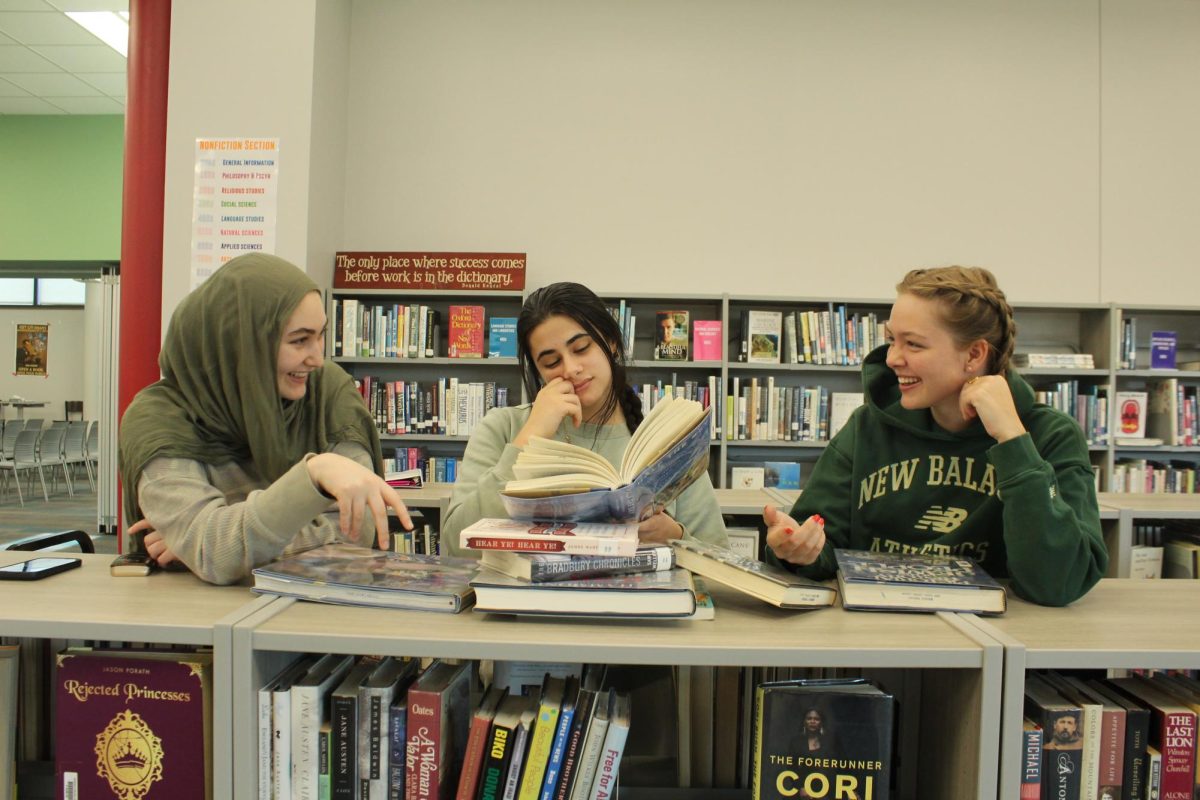
“Having our students at Hinsdale Central be able to speak their minds through writing is so important for the engagement in our community,” said Brittney Zust, a special education teacher. “Students trust each other and the information that they provide, that’s why it’s so important to have young people in the writing and journalism field.”
Trust has become one of journalism’s most urgent challenges. According to a Pew Research Center study, fewer than half of Americans say they have a great deal or fair amount of trust in the new media. Among younger people, the disbelief in the news is stronger fueled by the misinformation that’s been posted online. When the news does not reflect their experiences or language, young audiences are less likely to believe it.
According to this study, young involvement in journalism helps address the trust issues. Teenagers and young adults are very engaged in social media where information spreads quickly, including TikTok, Instagram and Snapchat. Training young adults and students in correct reporting and responsible storytelling helps them to recognize where misinformation is most common.
“I think it’s good to have young people in journalism just because our generation is very active online, like on TikTok [and other sites],” said Macey Pjesky, senior. “Being able to have students from our school or just people of my age spread true information will make it easier for me to trust certain information.”
In addition to building trust, young journalists bring technical skills that are progressively getting better and more advanced, according to an article on Unesco (United Nations Educational, Scientific and Cultural Organization). Traditional print articles are still provided at Hinsdale Central and are one of the best ways of getting information out. But since young generations are active online and on social media the most, students also can read the news and different stories through the Devils’ Advocate website. Video, podcasts, interactive graphics and social media storytelling have become central to modern reporting and young creators often are leading the way.
Since teens understand social media platforms so well, they can help journalism evolve rather than fall behind. Many young people and students create content daily, learning how to engage audiences through visuals, captions and short-form story telling. When those skills are paired with certain writing and journalism standards, they become powerful tools for reaching new audiences.
“I post on TikTok a good amount and most of my content is typically talking and showing what happens or what I do throughout the day,” said Elias Argyris, senior. “What I love about posting is I’m able to express myself through talking in Greek during my videos. I love showing what I bought and telling people what to buy from places. I’ve done brand deals before too like with Scuffers.”
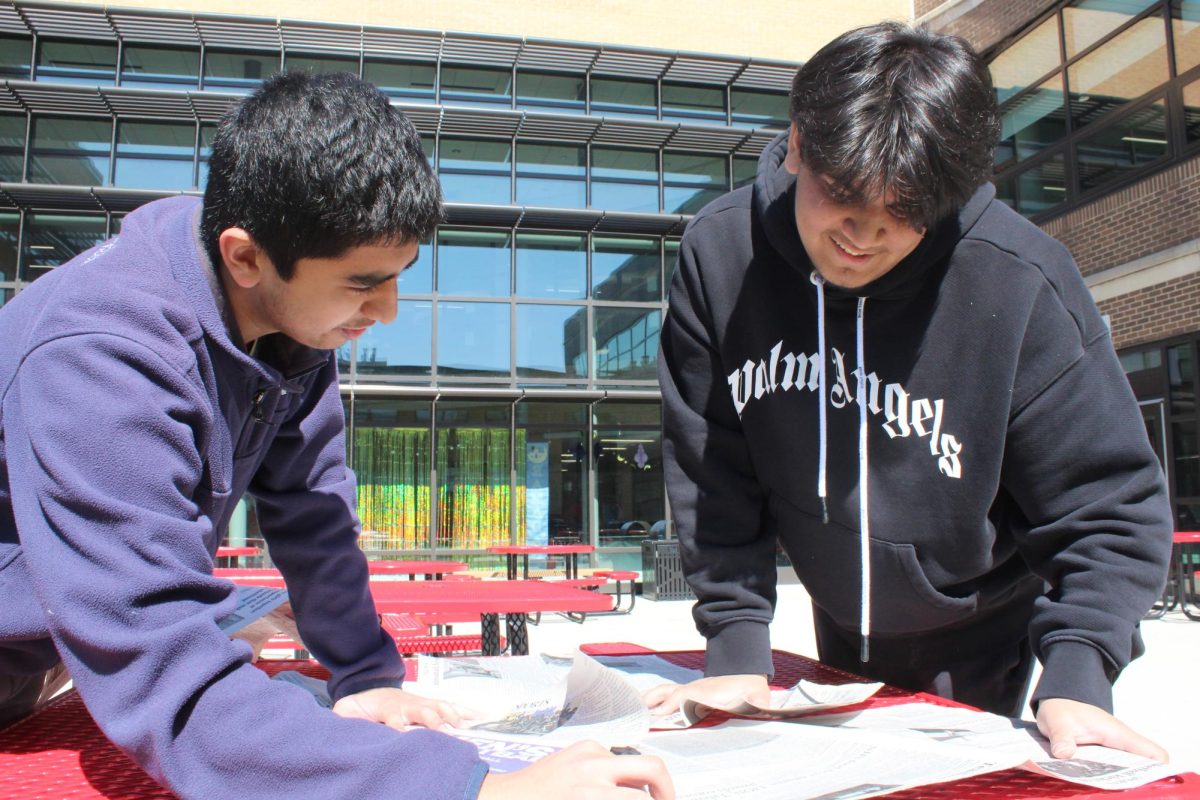
Experiences like this highlight an important reality. That young people are already shaping media culture, even if they are not always recognized as journalists. Encouraging students to join school newspapers, digital publications and community reporting projects helps turn casual content into storytelling.
However, issues still remain. Heavy academic workloads, lack of awareness about journalism opportunities and the perception that journalism is an unstable career often discourages students from participating. In some schools, limited funding and support for student media reduces opportunities for young writers to develop their own skills.
The consequences of ignoring and excluding young voices are significant. Without generational diversity, journalism risks losing voices and points of view. Journalism will also risk having a narrow worldview that fails to reflect on younger audiences. Stories and education, mental health, technology and culture benefits from firsthand perspectives.
Most importantly, young writers bring variety. Their lived experiences help make stories more accurate, relatable and relevant. Youth participation ensures journalism reflects what is actually happening in the world, rather than just focusing on certain events through a single generational outlook.
For journalism to remain credible and sustainable, young voices must be included, supported and valued. Investing in student media programs, mentorship opportunities and youth focused reporting initiatives strengthens both the profession and the public it serves. The future of journalism depends on the next generation not just reading the news, but writing it.