

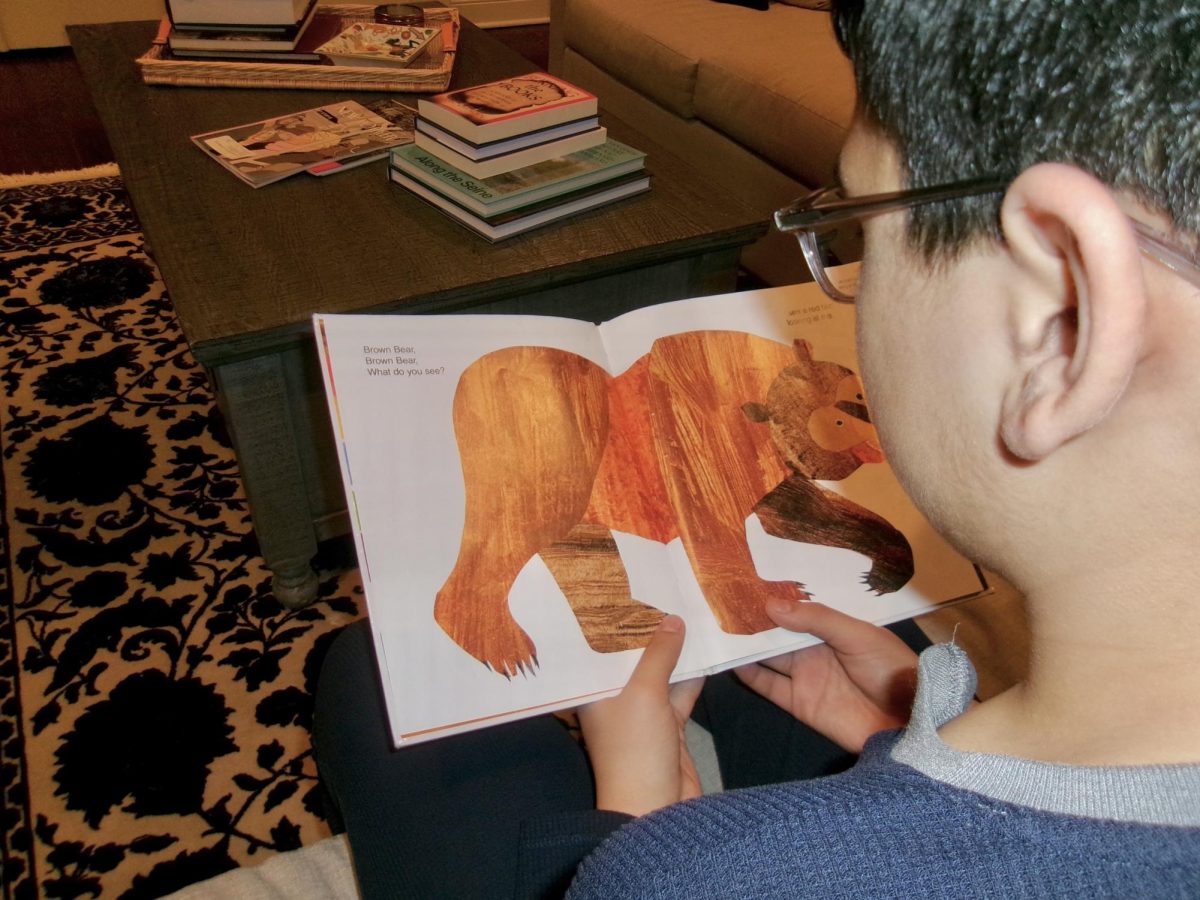
One Direction posters, fidgets spinners, JoJo Siwa, boomerang, Fruit by the Foot, vsco girls, Minecraft. Nostalgia often shows up in the smallest, everyday habits. It may be replaying playlists or rewatching familiar shows. For others, it can be simply looking through old photos. While it can feel like a tear in the past, at times, the comfort outweighs the sadness.
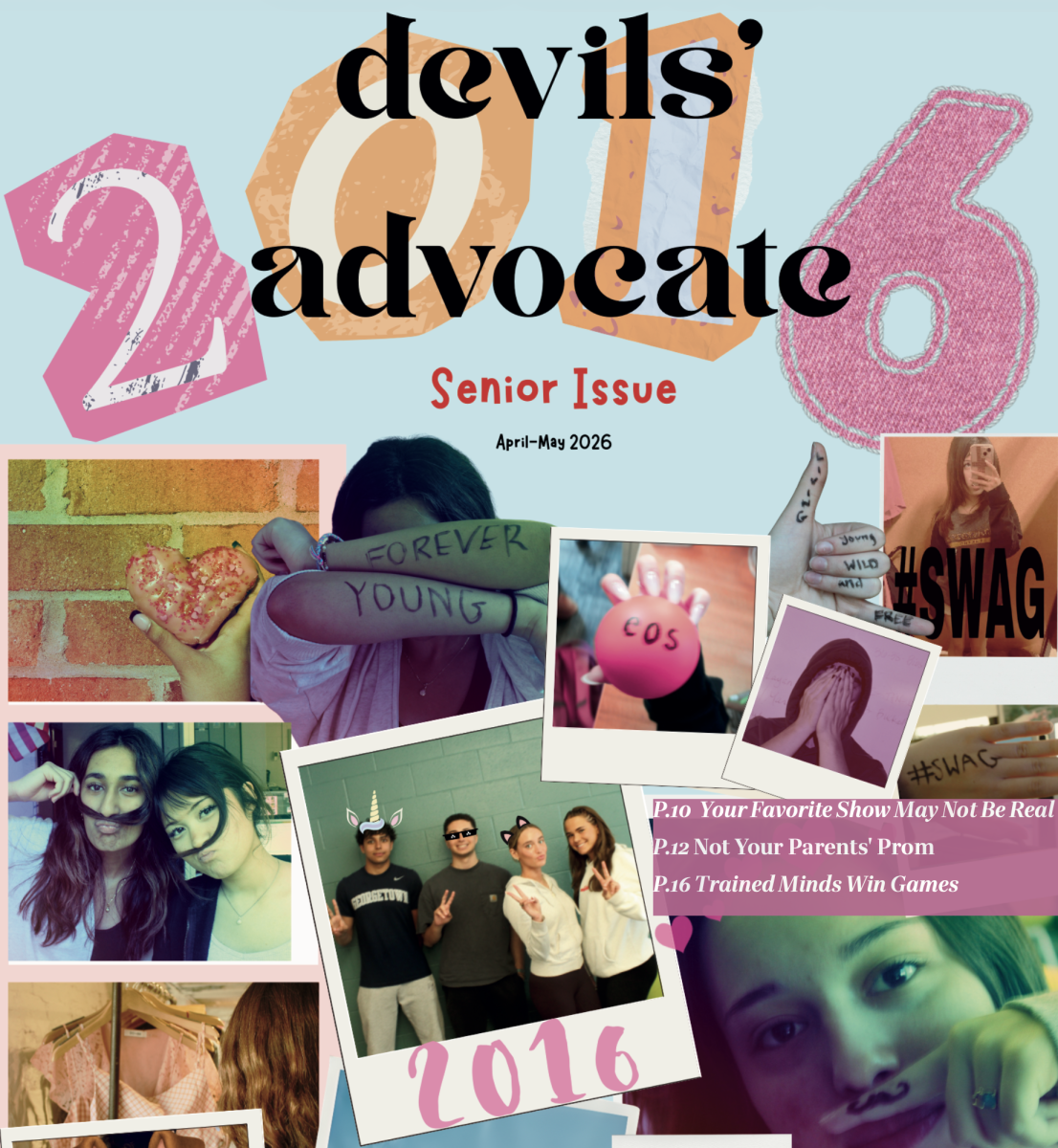
Every new year, people announce new goals and perspectives they want to bring into the new year, but 2026 has been a little different. Across TikTok, many users have begun declaring “2026 is the new 2016,” hoping for a resurgence in the movies, music and fashion of the time.
Nostalgia isn’t anything new. The term refers to a longing for times past, especially when it is romanticized. According to the Human Flourishing Lab, nearly 80% of American adults have experienced nostalgia at some point in their life. However, this phenomenon is also common in teenagers.
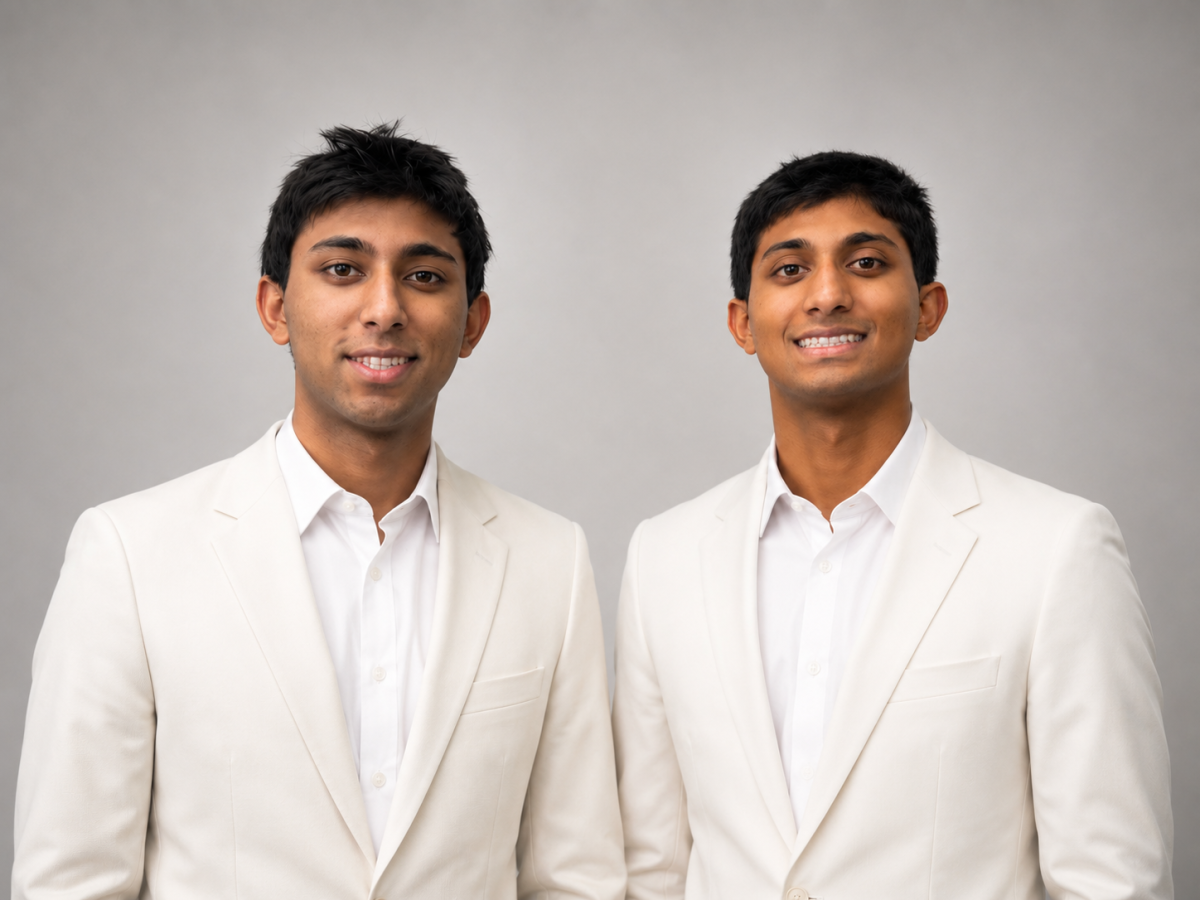
“I’ve reminisced a lot about past events, especially before I moved to my current house,” said Diako Dabiri, senior. “It’s helped me reflect on my past and how I’ve improved as a person.”.
Many feelings of nostalgia stem from media and changes in the world, say many. It reflects a different, often simpler, time in their lives.
“Kids TV shows were a lot better than what’s made now, which is more basic, flat and modernized,” Dabiri said. “They have come down more simplistic, as opposed to having the detail that they used to have, both with the story and the art style.”
For adults, the feelings that come with nostalgia are a little different.
“There are some things that I look back at, and I’m like ‘those became an important part of who I am,’” said Paul Woods, science teacher and alumni.
Woods attributes many of his experiences during his time as a student at Hinsdale Central to his life now as a teacher.
“Being involved in the variety show and drama productions have a really good place in my memory, and now I’m here directing some of the plays,” Woods said. “So, those experiences in drama I look back at those so warmly.”
While nostalgia can be easy to get sucked into, there are those who also believe that it provides a useful way to improve our lives.
“I definitely have tried to allow students to have some of those same positive experiences that I had in high school as well,” Woods said. “I try to give them an opportunity to have some fun things to look back at, whether it’s experiments we do in chemistry, or things in the plays.”
Dabiri has found a similar experience in looking backwards to help him move forward.

“I used to be more closed as a person. Throughout the years, I’ve learned to manage it, and now I’m very social and have lots of friends, as opposed to the past,” Dabiri said. “I just try to embrace my mistakes and accept that some things cannot be changed and move on.”
Some said they believe that, with the rise of social media, technology and other digital advancements, feelings of nostalgia have worsened because there are constant reminders of the way life used to be. Others, however, disagree and think it is unavoidable.
“I think it’s just a natural part of life,” Dabiri said. “It’s the exact same feeling that the older generation has with their past. Social media has given the false sense that it’s increasing, but it’s stayed the same.”
Older members of the community have noticed changes throughout the years.
“High school society has changed. We are a lot more accepting of people’s differences than people were in the 80s, necessarily, but, but I think this school has always been, has always had a pretty positive learning environment,” Woods said.
Many find that giving into nostalgia is sometimes the way to stop melancholy feelings from brewing.
“When I’m listening to Spotify, I’ll listen to music from back then. It takes you back a little bit,” Woods said. “Reruns are also fun ones to go back and watch again.”
For students, nostalgia often sneaks up unexpectedly and can be triggered by something so simple such as a song playing in the background of a store. Memories from ages ago feel close again, even if life has changed so drastically.
This isn’t because the trend/object holds traditional value, but that the feeling that comes with it is generally younger signaling a less overwhelmed, free, exciting life, according to National Geographic.
Social media also plays a huge role in shaping nostalgia. Platforms such as TikTok and Instagram make it easier to revisit old trends quickly through multiple sources. While some think this is unhealthy to visit the past, others view it as a creative way to connect with shared, healthy memories.
According to a 2023 study by Yuqi Wang published in Personality and Social Psychology Bulletin, researchers followed 327 university students across all four years of college and found that nostalgia changed as a student went through their university experience, showing that their nostalgic memories and emotional responses to the past were linked to real psychological process during life changes.
This shows that for students, their nostalgic memories seem to be strangely shallow because it isn’t considered that long ago. They seem to grow up faster than expected because of how fast the world is changing. Going through nostalgia is a great way to process those changes, because it could be a difficult task for some.
According to Medical News Today,it is common for nostalgia to be associated with feelings of distress and sadness.
“When I look back to the old days, everyone was friends with one another and no one cared about anything,” said Judy Atassi, senior. “Those were the good days, now everyone seems to stress about the little things.”
According to the National Institute of Public health,Many see nostalgia as a positive space for reflection and areas of growth rather than something that traps people in the past. While it can bring moments of sadness it also reminds people of their achievement and how far they have come.
Nostalgia allows both students and adults to appreciate meaningful moments while still moving forward.
Rather than wishing to go back, many use nostalgia as motivation to create memories worth looking back on, according to the BBC. Whether it’s participating in school activities, strengthening friendships or simply enjoying everyday moments, those experiences often become the memories people hold onto most.
As trends continue to resurface and the world changes rapidly, nostalgia remains a shared experience across generations.
“Embrace as many positive experiences as you can,” Woods said. “You’ll remember them. They’ll stick with you.”